

Weed is a Word
Julia Barbosa Landois
Site-responsive project and community picnic
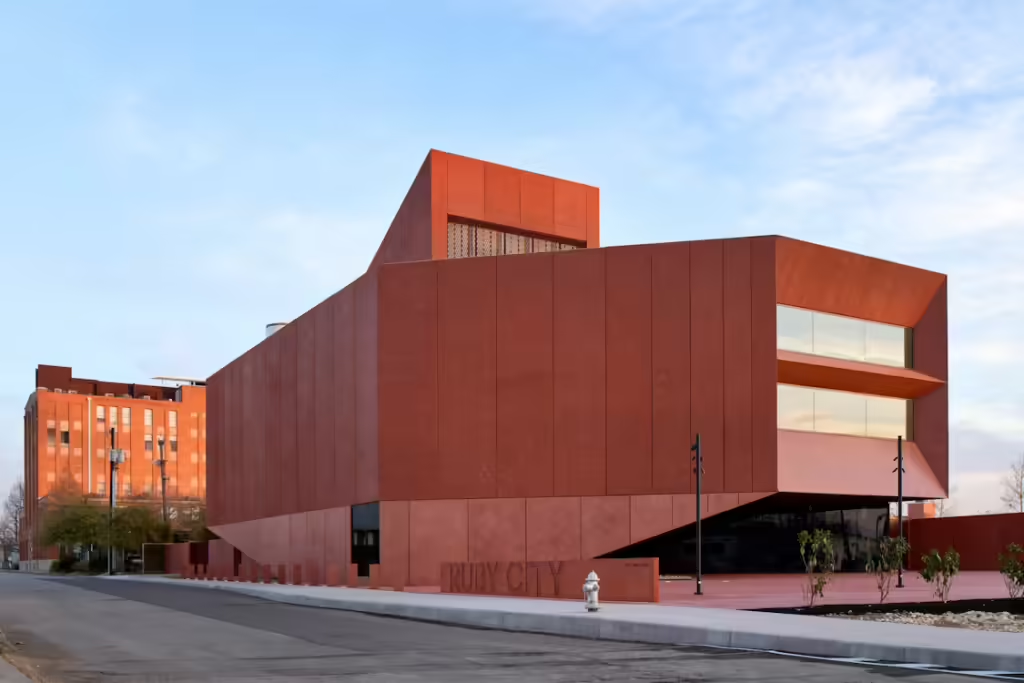
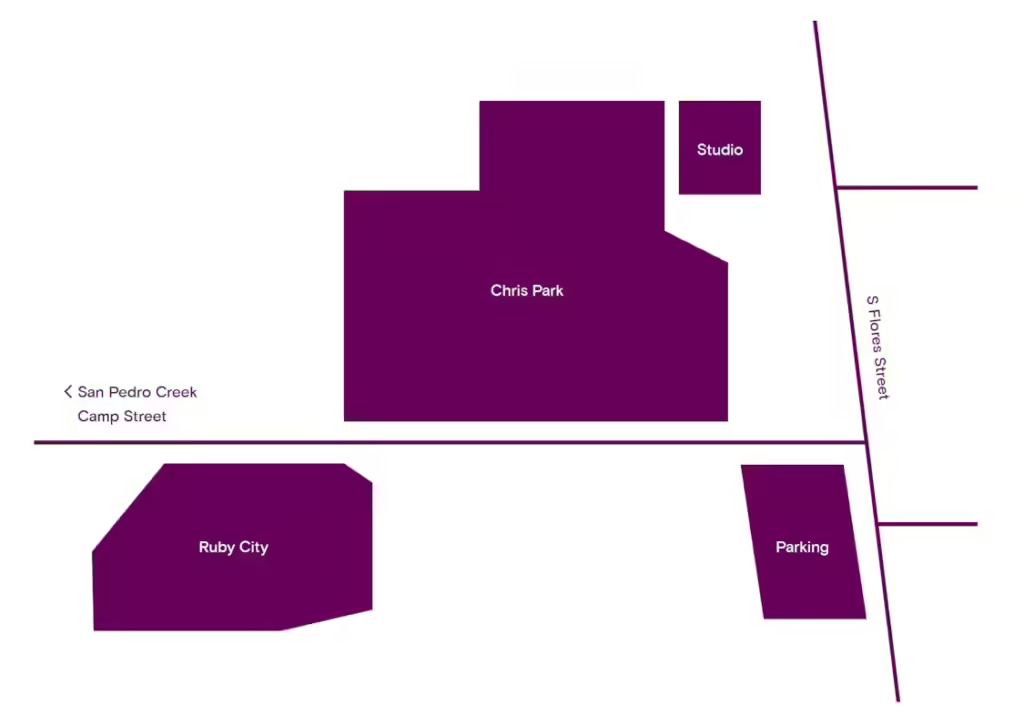
On view at Ruby City’s Studio Yard
Community Picnic: Saturday, October 10, 11 a.m.–1 p.m.
Free and open to all
What makes a place feel like it belongs to us and what, or who, gets left out?
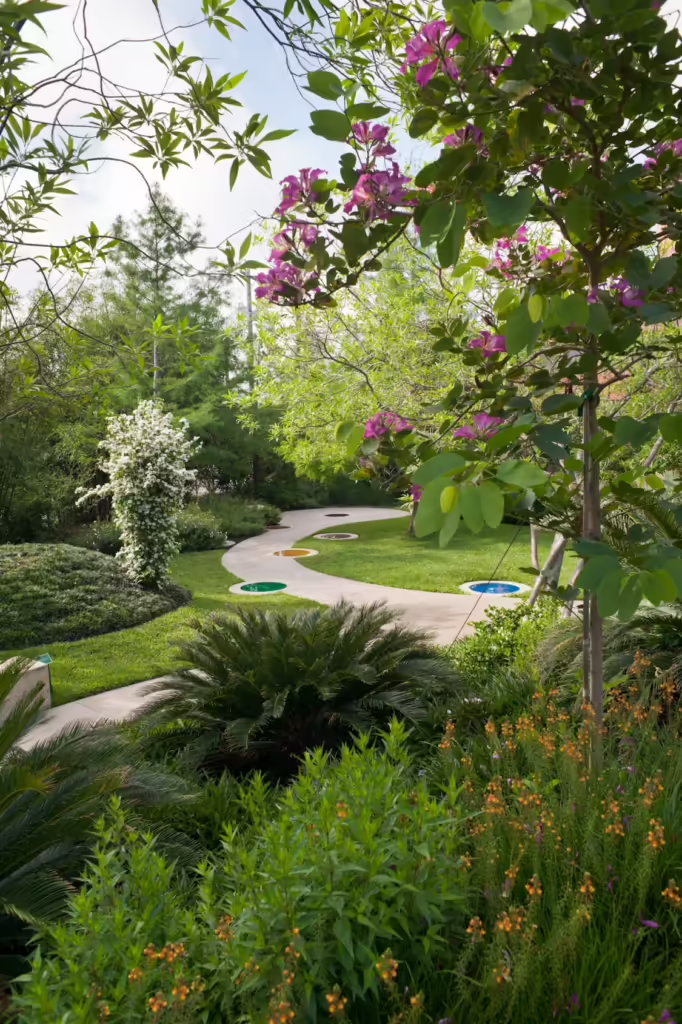
With Weed is a Word, multidisciplinary artist Julia Barbosa Landois transforms a fenced lot at Ruby City into a garden, gathering place, and space for reflection. At the center of the project, Landois cuts a large circle into the existing turf and reintroduces beneficial native plants that have increasingly disappeared from contemporary lawns, including goldenrod, purslane, frogfruit, and shy plant.
The project begins with a deceptively simple word: weed.
“‘Weed’ is a word that denotes what belongs and what doesn’t,” Landois writes.
From this starting point, Weed is a Word considers how language shapes ideas of value and exclusion. The plants we call weeds are often classified as undesirable simply because they grow where we do not expect them. Landois uses this familiar distinction to open broader questions about belonging, migration, diversity, and the ways communities decide what is worthy of care.
By returning plants often removed or overlooked to the landscape, Landois invites us to reconsider our assumptions about beauty, value, and place prompting us to ask who gets to decide what belongs.
Gather in the Garden
On Saturday, October 10, from 11 a.m.–1 p.m., Weed is a Word becomes a setting for gathering as well as contemplation. The free, all-ages community picnic invites visitors to spend time in the garden, share food, listen to music, and explore the ideas at the heart of the project.
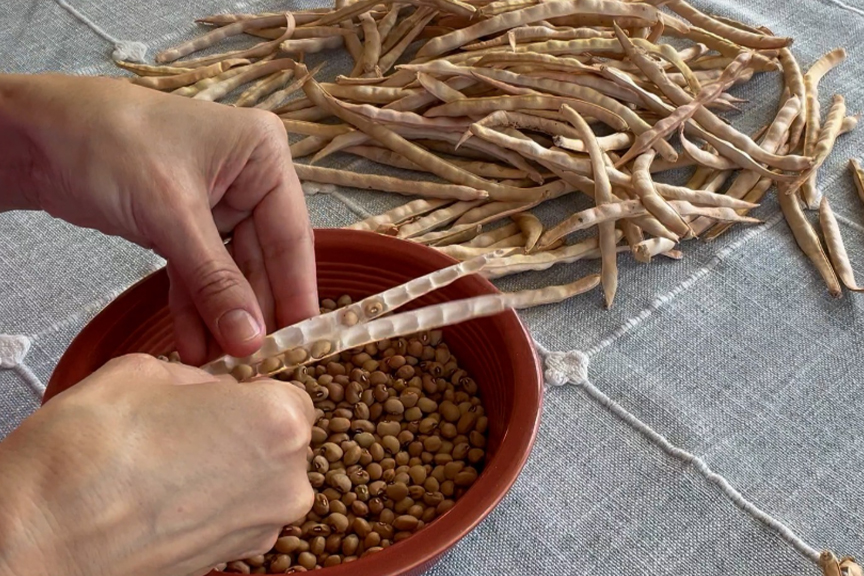
Guests can enjoy snacks and drinks featuring traditional ingredients connected to the local climate, including edible plants. Complimentary zines explore the language of weeds and themes from the project, while seed packets offer an opportunity to carry a piece of the garden home.
The picnic is drop-in and open to all. Stay for a few minutes or settle in for the afternoon.
Through food, art, conversation, and hands-on activities, the gathering extends the artwork beyond looking and into the experience of being together.
Art, Place, and Belonging
Weed is a Word is shaped by its location. As the garden responds to weather, growth, and care, the artwork will change over time, making its experience inseparable from the place where it takes root.
Presented in dialogue with a nearby text work by Daniel Joseph Martinez, the project encourages us to look more closely at the definitions we use to determine what is beautiful, valuable, desirable, or out of place.
What is removed? What is preserved? And who decides?
These questions connect to Ruby City’s founding vision. Artist, collector, and philanthropist Linda Pace believed that “contemporary art is essential to a dynamic society.” She imagined Ruby City as a place where art could be shared freely and where people could come together around new ideas and perspectives.
Weed is a Word continues that vision by creating space to slow down, gather, and reconsider the places—and communities—we call our own.
Prior to her time with Ruby City, the artist will also offer a lecture on this project on Tuesday, October 6th from 12:45-1:45PM at Trinity University. Learn more about that event here.
About the Artist
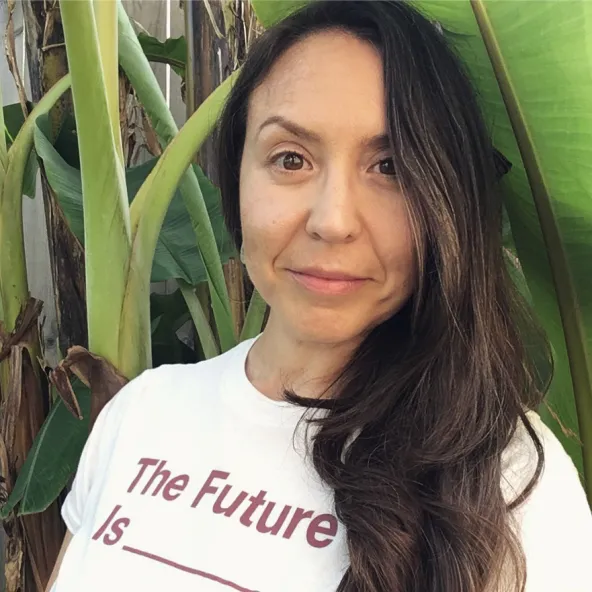
Julia Barbosa Landois (b. San Antonio, USA) is a multidisciplinary artist based in Houston, Texas. Her videos, installations, performances, and works on paper have been exhibited throughout the United States, Latin America, and Europe. Her work has been supported by grants from the National Performance Network (NPN), National Association of Latino Arts and Cultures (NALAC), and Houston Arts Alliance, as well as residencies at Lawndale Art Center, Santa Fe Art Institute, Lademoen Kunstnerverksteder in Norway, and Künstlerhaus Bethanien in Germany. Her works on paper are held in the permanent collections of the City of Houston and Houston Endowment, as well as private collections. Barbosa Landois has also worked as a professor, exhibitions coordinator, grant writer, and community educator.